13 Women Leading India's Climate and Sustainability Conversation
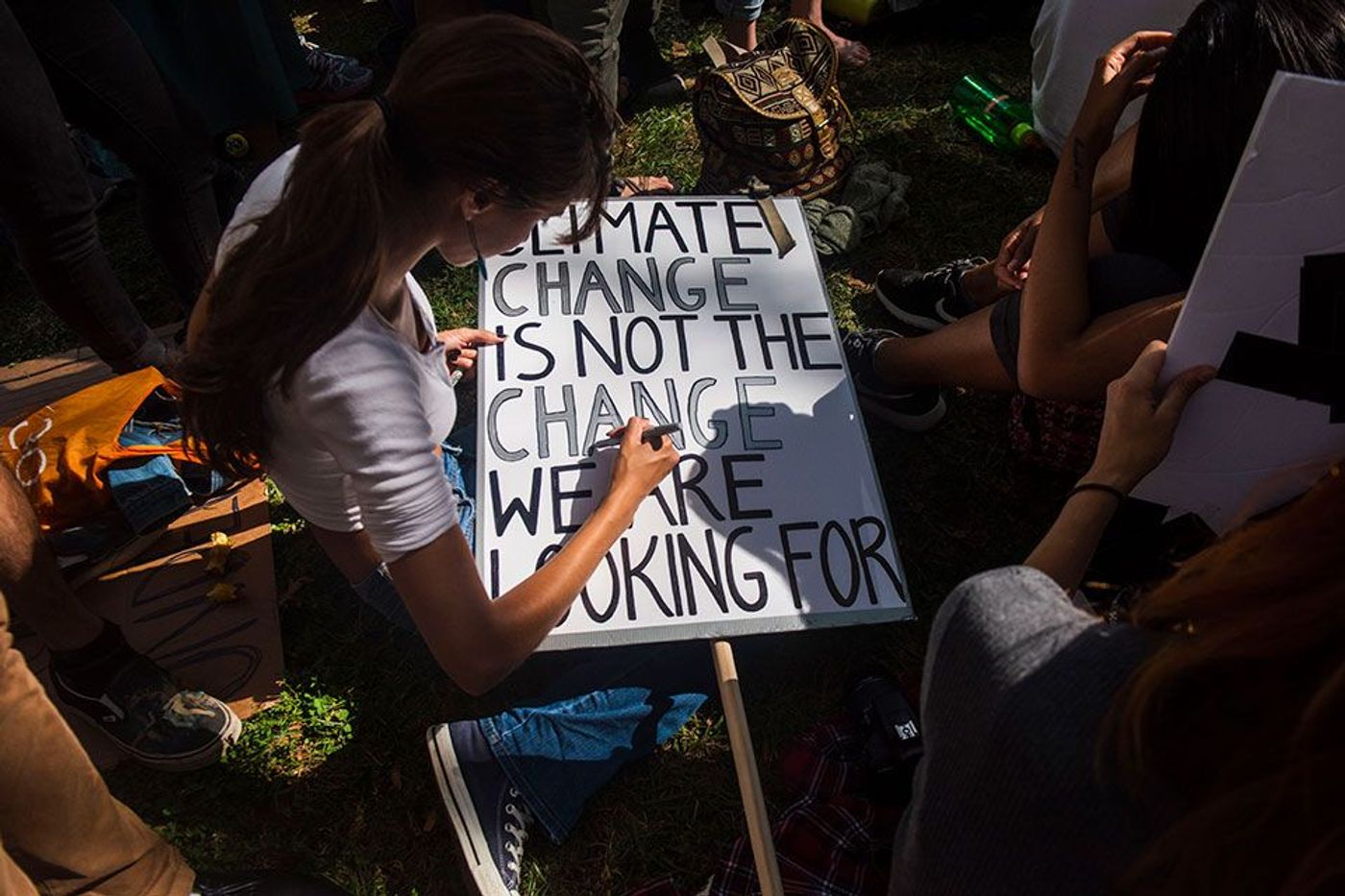
India's climate conversation no longer lives only in protest banners or research annexes. It now runs through boardrooms deciding capital allocation, courtrooms hearing constitutional environmental cases, government science divisions funding carbon capture research, and international panels writing the reports the world's governments cite. This list gathers 13 women shaping that conversation from genuinely different vantage points: institutional science leadership, environmental law, climate economics and finance, corporate sustainability strategy, energy journalism, and grassroots organising. Each entry meets three criteria: a current, verifiable professional role carrying real decision-making or research authority; a documented public record of climate or sustainability work spanning years rather than a single moment in the news; and a distinct enough angle that no two women on this list are making the same argument from the same seat.
1. Sunita Narain
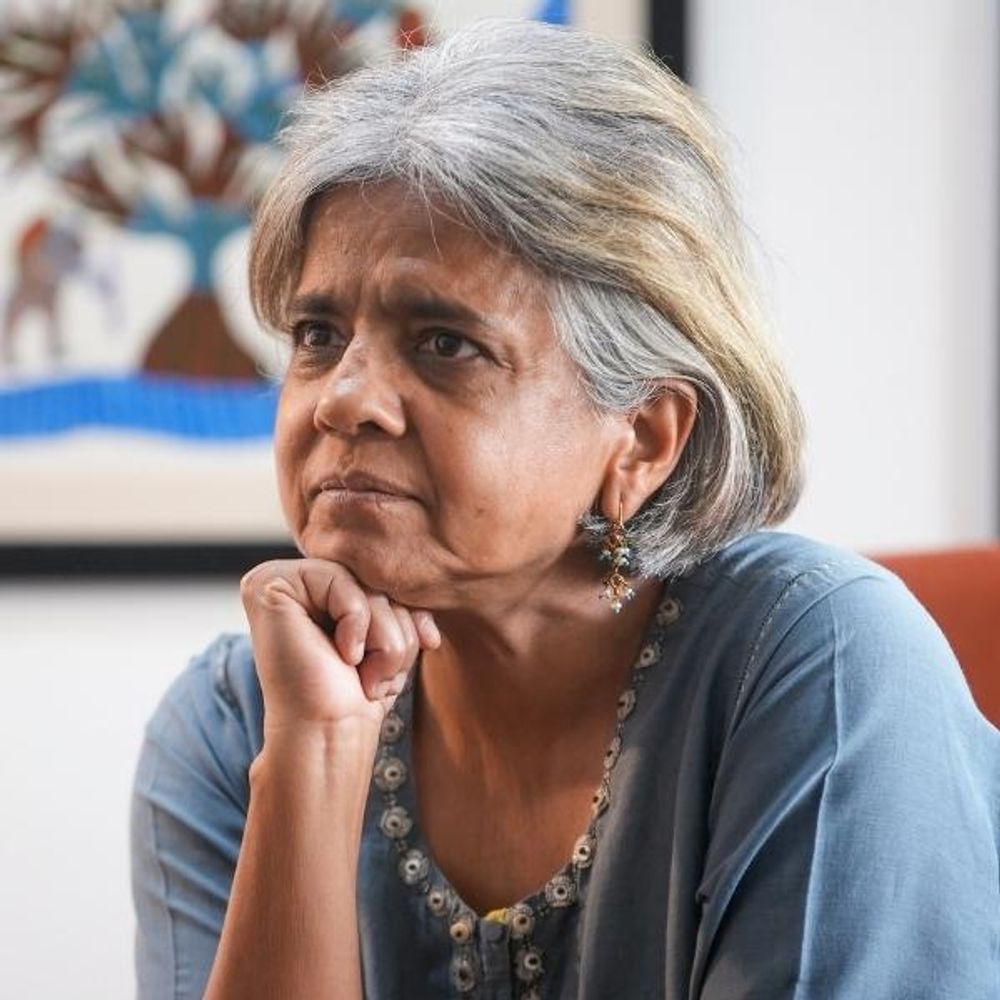
Director General, Centre for Science and Environment; Editor, Down To Earth
Sunita Narain has led the Centre for Science and Environment since the early 1980s, spending more than four decades turning environmental research into public pressure that regulators cannot easily ignore, from exposing pesticide residues in soft drinks to shaping India's air pollution and rainwater harvesting policy. That kind of institutional continuity is rare in Indian environmental policy, where most voices rotate through government terms or corporate cycles; Narain's has outlasted several of both, which is part of why her positions carry weight across administrations. As editor of the fortnightly Down To Earth, she has also built one of the only Indian media platforms treating climate and environment as a daily beat rather than an occasional feature. She speaks on air pollution control, climate justice and equity in global negotiations, sustainable urbanisation, water governance, and the politics of environmental regulation in the Global South. Her angle is distinctly institutional: she speaks as someone who has spent decades inside the machinery of Indian environmental policy, not observing it from outside.
Connect with her.
2. Dr Vibha Dhawan
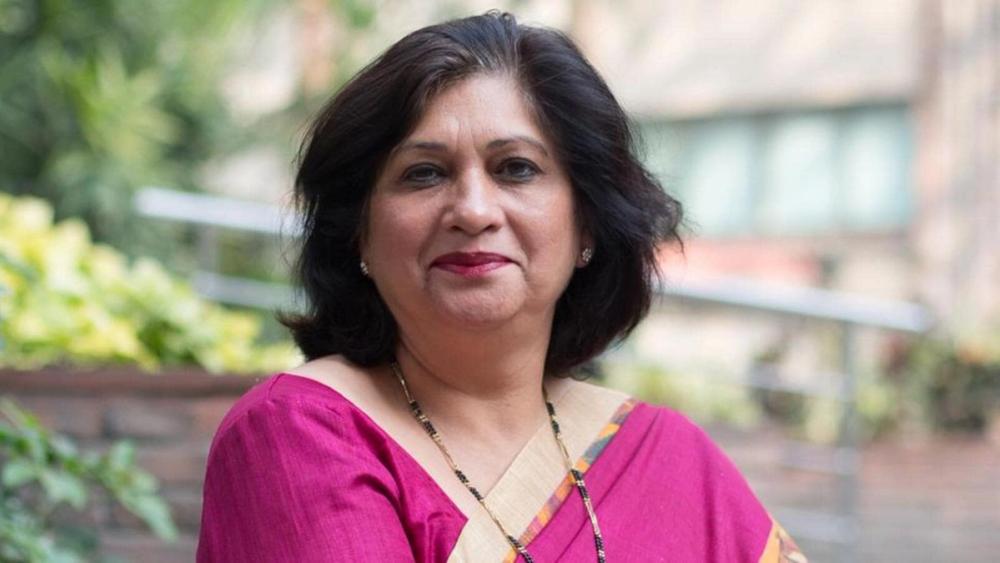
Director General, TERI (The Energy and Resources Institute)
Dr Vibha Dhawan has led TERI, one of India's oldest and most influential sustainability research institutions, since March 2021, guiding its work across renewable energy, biotechnology and climate resilience research through the institute's fiftieth anniversary. Trained as a botanist with a doctorate from the University of Delhi, she built her early career in agricultural biotechnology before moving into institutional leadership, grounding TERI's policy recommendations in scientific method rather than advocacy alone. Under her tenure, TERI has continued to convene the World Sustainable Development Summit, one of the largest annual gatherings of global climate policy figures hosted in India. She speaks on climate-resilient development, biofuels and bioenergy transition, sustainable agricultural technology, institutional research strategy, and India's net zero pathway. Her angle sets her apart from communications-first climate voices: she speaks from the vantage point of someone who runs the research and the researchers, not just the messaging built around their findings.
Connect with her.
3. Ulka Kelkar
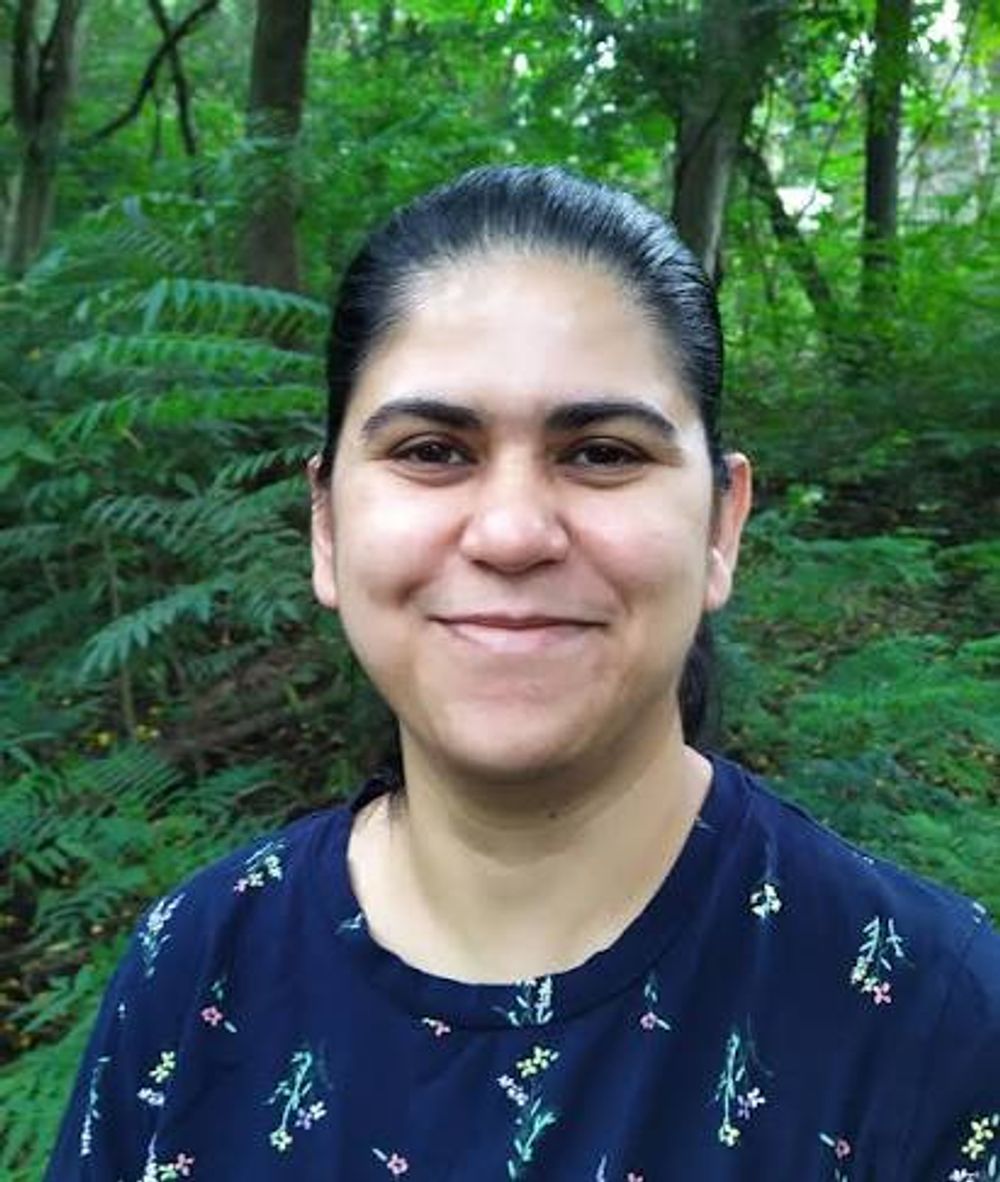
Executive Program Director, Climate, Economics and Finance, WRI India
Ulka Kelkar has spent 25 years turning climate research into policy language that finance ministries and state governments can actually use, currently leading WRI India's work on low-carbon development pathways, sub-national climate action and just transition for small industry. An economist by training, she represented WRI India in the Government of India's official working groups on net zero and the country's long-term low emissions development strategy, putting her research directly into the rooms where India's climate commitments get negotiated. She has also co-chaired the clean energy taskforce within India's G20 presidency engagement groups and the equity working group of the UN-backed Race to Zero campaign, giving her a rare vantage point across domestic and global climate economics at once. She speaks on climate finance and investment gaps, just transition for coal-dependent regions, sub-national climate action, carbon markets, and low-carbon industrial policy. Her angle is economic rather than scientific or legal: she translates climate targets into what they cost, who pays, and who is protected.
Connect with her.
4. Chandni Singh
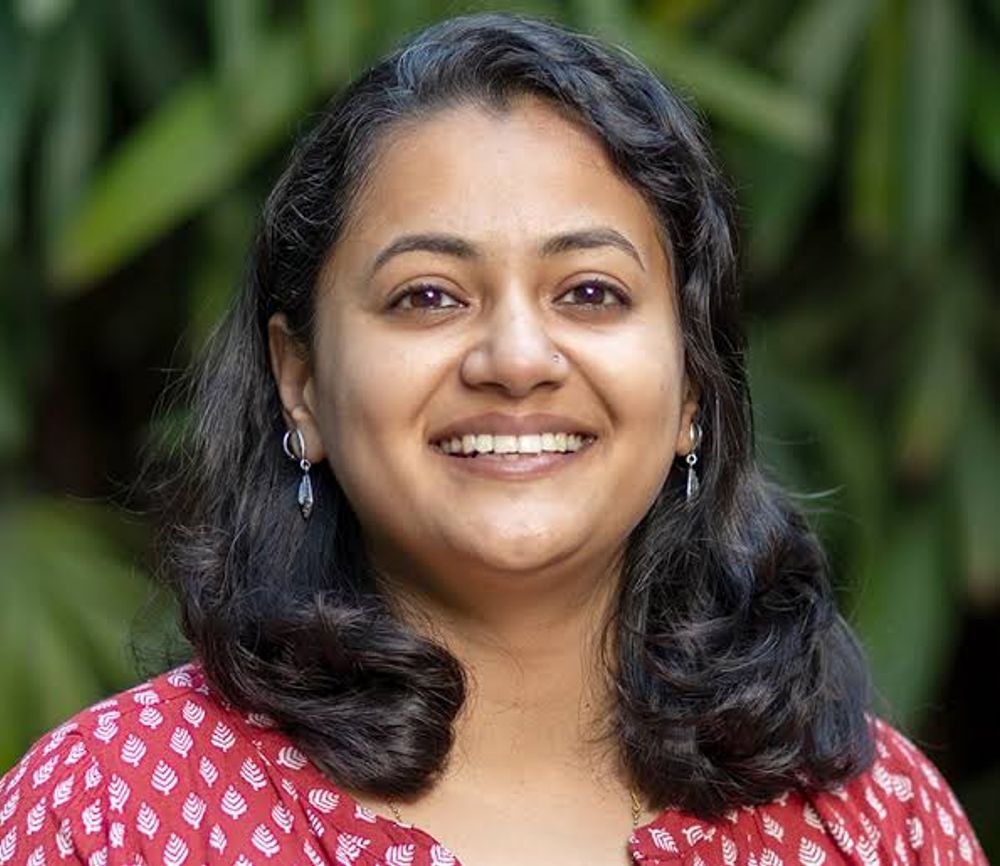
Associate Professor, Indian Institute for Human Settlements; IPCC Lead Author
Chandni Singh is among the ten most cited climate adaptation researchers in India and is currently a Lead Author for the IPCC's upcoming Special Report on Climate Change and Cities, following an earlier term as Lead Author on the IPCC's Sixth Assessment Report on climate impacts and vulnerability. Her research tracks how climate change reshapes livelihoods, migration and disaster recovery across dryland rural India and coastal cities, work that has taken her from villages in semi-arid Karnataka to the editorial boards of major international climate journals. That combination, deep fieldwork paired with a formal seat where the world's climate science gets assessed and written, is unusual, and it means she can speak on both what is happening on the ground and how that evidence becomes global policy language. She speaks on climate adaptation and vulnerability, rural-to-urban climate migration, disaster recovery, gender and differential climate impact, and the IPCC assessment process. Her angle: a field researcher who also helps write the reports policymakers cite.
Connect with her.
5. Dr Minal Pathak
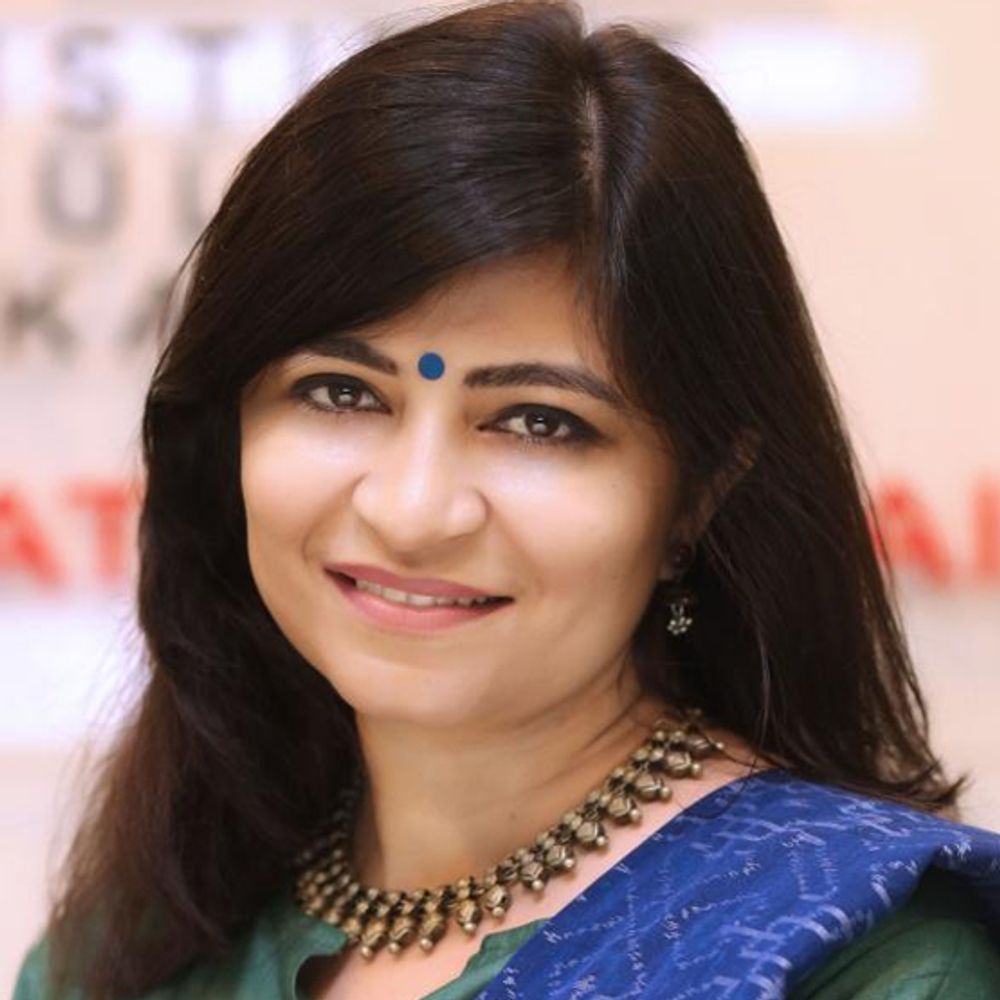
Associate Professor, Global Centre for Environment and Energy, Ahmedabad University
Minal Pathak spent six years, from 2017 to 2023, as a Senior Scientist with the IPCC's Working Group III Technical Support Unit, contributing to multiple special reports and the panel's landmark Sixth Assessment Cycle, before returning to research on how Indian cities can cut emissions without deepening inequality. Her work sits at the intersection of urban planning and climate mitigation, examining how transport systems, building design and city infrastructure decisions determine whether a city's emissions trajectory bends downward or simply grows more efficiently. Having worked at Imperial College London and MIT before her IPCC role, she brings an international research pedigree back to a specifically Indian urban context, at a moment when Indian cities are among the fastest-growing and most heat-exposed in the world. She speaks on urban emissions and mitigation pathways, building and transport decarbonisation, city-scale climate policy, heat resilience in Indian cities, and the IPCC assessment process. Her angle is urban and technical: she treats the built environment as a lever for climate action, not just its consequence.
Connect with her.
6. Aarti Khosla
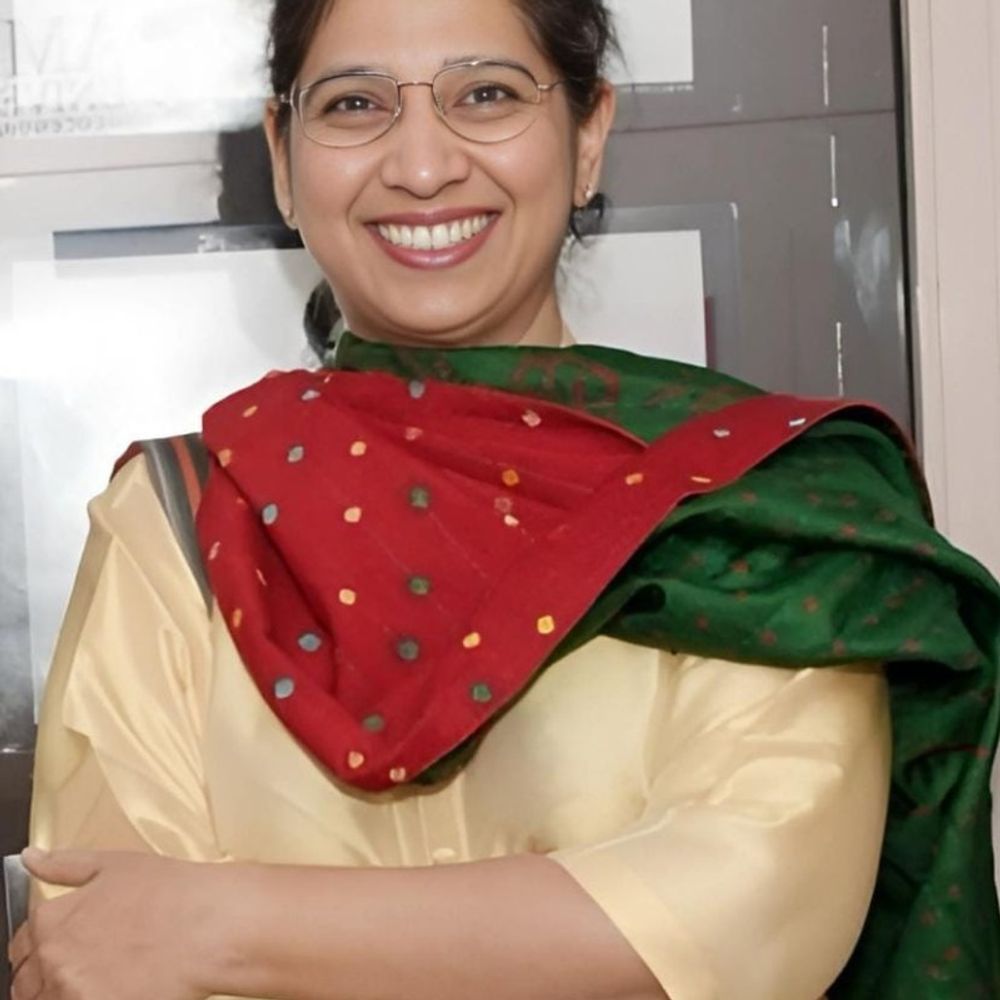
Founder and Director, Climate Trends
Aarti Khosla founded Climate Trends in 2016 after leading global climate and energy campaigns for WWF International, building it into one of India's primary sources of climate research, data and media briefings for journalists covering the beat. Her organisation does not lobby or advocate directly; instead it functions as a translation layer between technical climate research and the newsroom, briefing Indian and international reporters on everything from coal phase-down negotiations to India's renewable energy targets ahead of major stories breaking. That positioning, deliberately upstream of the news cycle rather than reacting to it, has made her one of the most consistently quoted sources in Indian climate journalism over the past decade. She also directs CarbonCopy, a dedicated climate news platform. She speaks on climate communications and media strategy, coal transition and just energy policy, India's role in international climate negotiations, clean air policy, and building public understanding of climate science. Her angle is that of a communications strategist working from inside the technical detail, not translating it after the fact.
Connect with her.
7. Shibani Ghosh
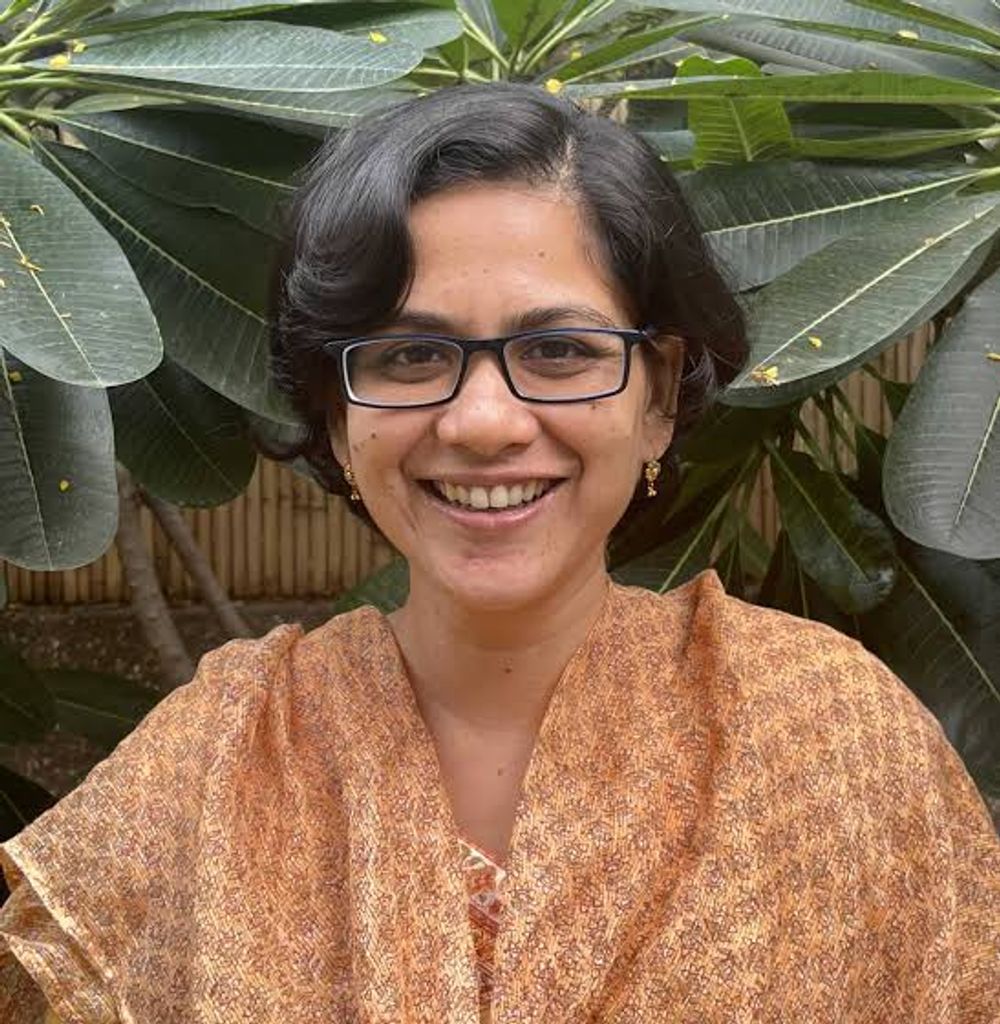
Environmental Lawyer; Visiting Fellow, Sustainable Futures Collaborative
Shibani Ghosh is a Rhodes Scholar and Advocate-on-Record at the Supreme Court of India who has spent close to two decades litigating environmental cases before the Supreme Court and the National Green Tribunal, while researching the legal architecture that makes those cases possible in the first place. She edited Indian Environmental Law: Key Concepts and Principles, now a standard reference on how Indian courts have handled environmental jurisprudence, and was a Sustainability Science Fellow at Harvard's Kennedy School. Her work sits at the point where climate science becomes enforceable, or doesn't, tracking how recent amendments to India's core environmental laws have expanded monetary penalties while narrowing the scope for criminal prosecution. She speaks on climate litigation and constitutional environmental rights, environmental impact assessment reform, the changing architecture of Indian pollution law, access to environmental information, and the judiciary's evolving role in climate governance. Her angle is legal: she can explain not just what the climate crisis requires, but what Indian law currently allows a court to order.
8. Mridula Ramesh
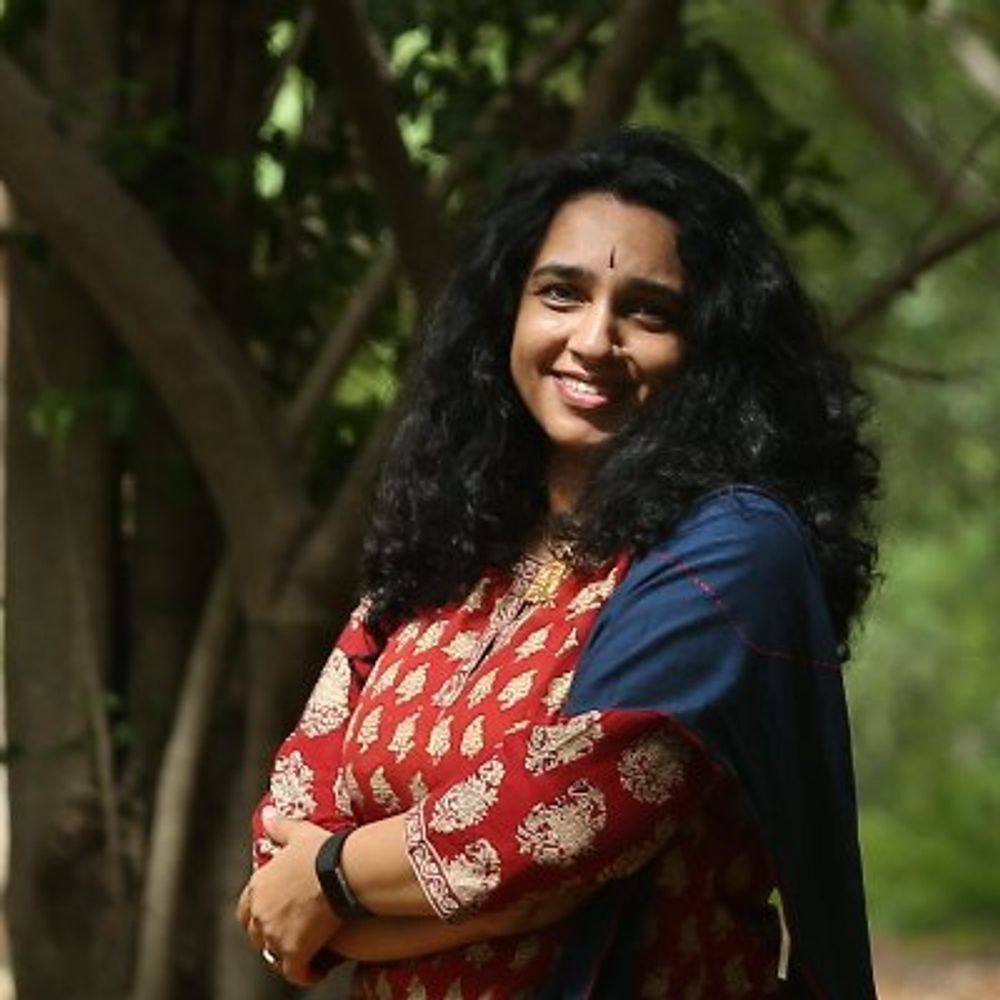
Founder, Sundaram Climate Institute; Author, The Climate Solution
Mridula Ramesh left a McKinsey career in Silicon Valley to return to Madurai and build the Sundaram Climate Institute, a research organisation focused on waste and water solutions, while running the family business Sundaram Textiles as its executive director. She lives in a near net-zero-waste home with her family, treating her own household as a working laboratory for the interventions her institute studies, a practitioner's approach that sets her apart from climate voices who research policy without testing it on themselves. She is the author of The Climate Solution and Watershed, both widely read attempts to translate India's climate crisis into plain, actionable language, and is an active angel investor with a portfolio of more than two dozen climate-tech startups. She speaks on water security and waste management, climate-tech entrepreneurship and investing, industrial energy efficiency, household-level climate adaptation, and translating climate science for general audiences. Her angle is applied and personal: she speaks as someone testing solutions in her own factory and her own home before writing about them.
Connect with her.
9. Seema Arora
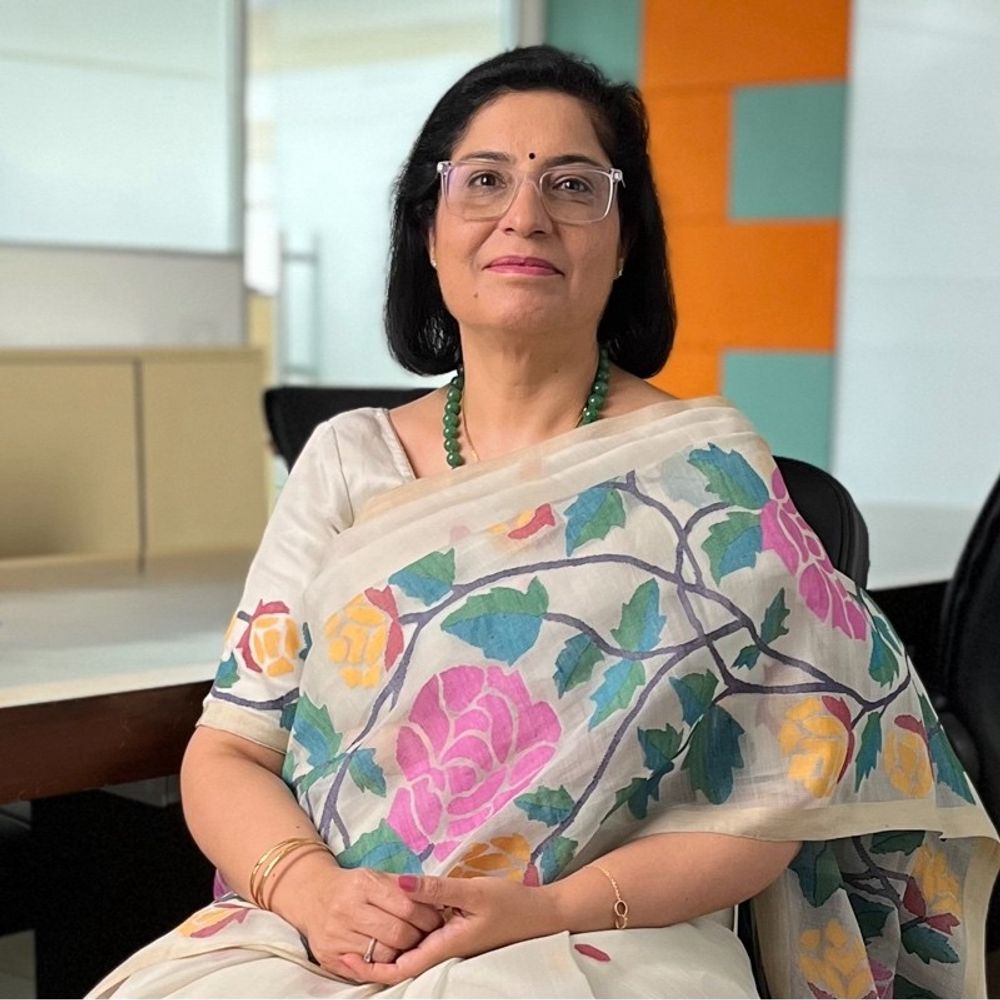
Deputy Director General, Confederation of Indian Industry; Head, CII-ITC Centre of Excellence for Sustainable Development
Seema Arora joined the Confederation of Indian Industry in 1991 to help mobilise Indian industry ahead of the 1992 Rio Earth Summit, and has spent the three-plus decades since building CII's sustainability function from a small environmental division into the Centre of Excellence for Sustainable Development, one of India's most established corporate sustainability institutions. She designed the Corporate Sustainability Management framework many Indian companies still use to structure sustainability reporting, and works directly with government bodies on India's low-carbon growth strategy and disclosure norms. Her portfolio also includes CII's Indian Women Network, giving her a dual mandate across corporate environmental strategy and workplace gender equity inside the same institution. She speaks on corporate sustainability strategy and reporting, business responsibility disclosures, industry-government climate policy collaboration, natural climate solutions for business, and building the investment case for sustainability. Her angle is squarely corporate: she has spent her career making the case for climate action inside boardrooms, not outside them.
Connect with her.
10. Neelima Alam
Associate Head, Climate, Energy and Sustainable Technologies Division, Department of Science and Technology
Neelima Alam holds a doctorate from AIIMS and spent four years as a postdoctoral researcher in the United States before joining India's Department of Science and Technology in 2007, where she has spent nearly two decades shaping government research funding and international partnerships on clean energy and climate technology. She now serves as Associate Head of the department's Climate, Energy and Sustainable Technologies Division, a role that puts her at the centre of how India funds and coordinates carbon capture, utilisation and storage research, including partnerships under the multi-government Mission Innovation initiative. That vantage point, inside the government body deciding which early-stage climate technologies receive funding, is genuinely rare among the climate voices most visible in Indian media, most of whom sit outside government rather than inside its funding apparatus. She speaks on climate technology research and development, government funding pathways for clean energy, carbon capture and storage, international science partnerships, and the science-to-policy pipeline. Her angle: a science policy insider who allocates research funding rather than applies for it.
Connect with her.
11. Vandana Gombar

Senior Editor, BloombergNEF
Vandana Gombar has spent over a decade as a senior editor at BloombergNEF, tracking global energy and mobility policy for one of the most closely watched research operations in clean energy, after an earlier career as a business journalist and columnist for outlets including Business Standard. Her columns track granular shifts in global solar, wind and battery storage markets, and she regularly covers how India's renewable energy ambitions compare against the pace of installation actually happening on the ground, a distinction she returns to given how easily political targets can outrun physical build-out. Writing from New York with a specifically Indian lens on global energy markets gives her coverage a comparative edge domestic Indian energy journalists don't typically bring. She speaks on global renewable energy markets, India's energy transition relative to global peers, solar and battery storage investment trends, data-driven climate journalism, and the gap between climate targets and infrastructure delivery. Her angle: comparative and numbers-driven, tracking the transition the way a global investor would.
Connect with her.
12. Anvesha Thakker
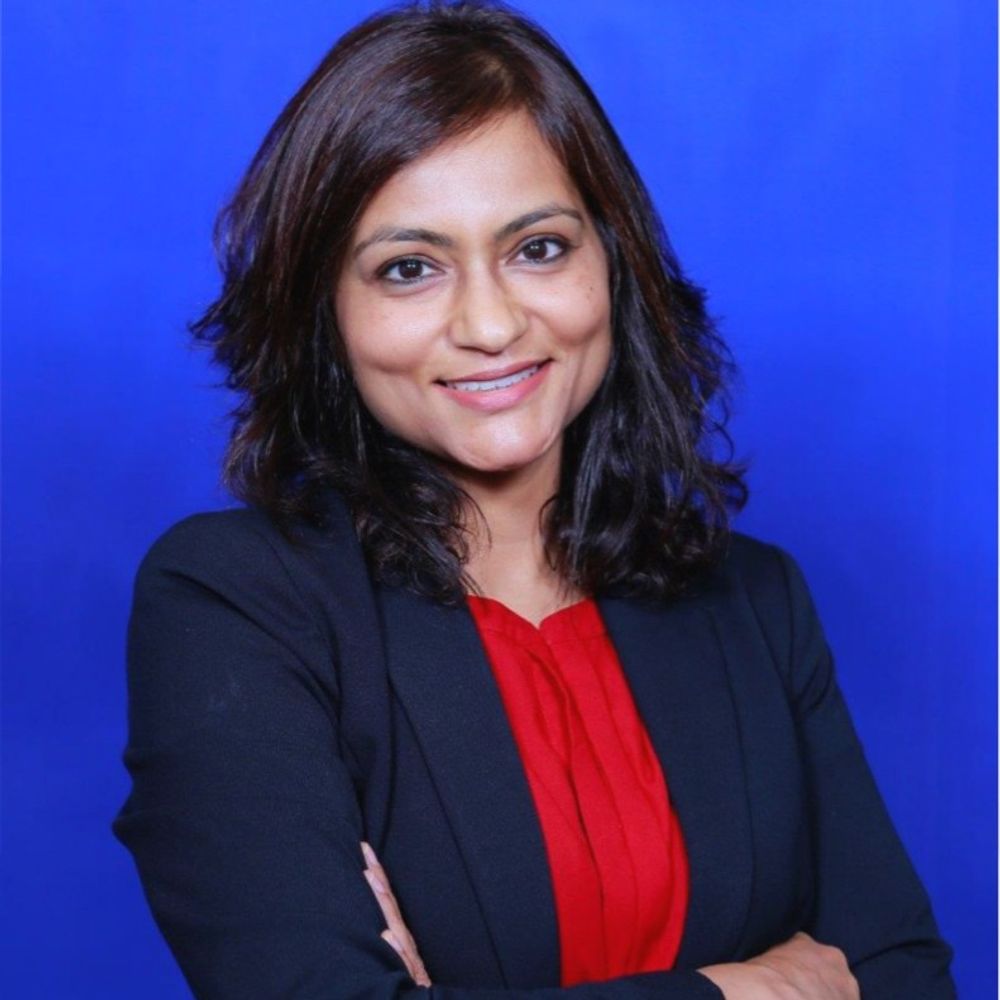
Partner and National Lead, Clean Energy, KPMG in India
Anvesha Thakker leads KPMG India's clean energy practice and co-leads the firm's global decarbonisation work, advising public and private sector clients on the strategy, regulatory and financial questions behind India's renewable energy, green hydrogen and electric mobility build-out. A chartered accountant and CFA charterholder by training, she brings a financial and transactional lens to a sector often discussed in purely technical or environmental terms, working on the deal structuring and investment-readiness questions that determine whether a clean energy project actually gets built. She has spoken publicly on what it takes for India's green and climate-tech assets to attract international capital, a question sitting squarely at the intersection of policy ambition and commercial reality. She speaks on clean energy investment and deal structuring, green hydrogen and storage strategy, industrial decarbonisation for corporates, attracting international capital to Indian climate-tech, and AI's role in accelerating the energy transition. Her angle is transactional: she speaks from the vantage point of the advisor structuring the deal, not the policymaker setting the target.
Connect with her.
13. Disha Ravi

Co-founder, Fridays For Future India
Disha Ravi co-founded the Indian chapter of Fridays For Future in 2019, building one of the country's most visible youth climate movements from a base in Bengaluru, and helped establish the movement's Most Affected People and Areas initiative to centre communities bearing the earliest impacts of climate change. Her activism drew international attention in 2021 when she was briefly detained in connection with an online protest document; a Delhi court granted her bail within days, finding little evidence to support the charges, and she has continued her climate organising since. She represents a generation of Indian climate voices whose activism grew up on social media and global youth movements rather than through research institutions, giving her a communication style and audience reach distinct from most other names here. She speaks on youth climate organising, the Most Affected People and Areas framework in global negotiations, grassroots campaigning, water conservation, and the intersection of civil liberties and climate protest. Her angle: an organiser mobilising people, not an institution advising them.
Connect with her.
About Draupadi on the Dais
Draupadi on the Dais connects accomplished Indian women experts with the panels, media, and platforms built to find them. The women on this list are not short on credentials, research output, or public track record. What is often missing is a searchable place for organisers to find them before the search defaults back to the same six names. Browse the Dais to find your next speaker, or claim your own profile if you belong on a list like this one.