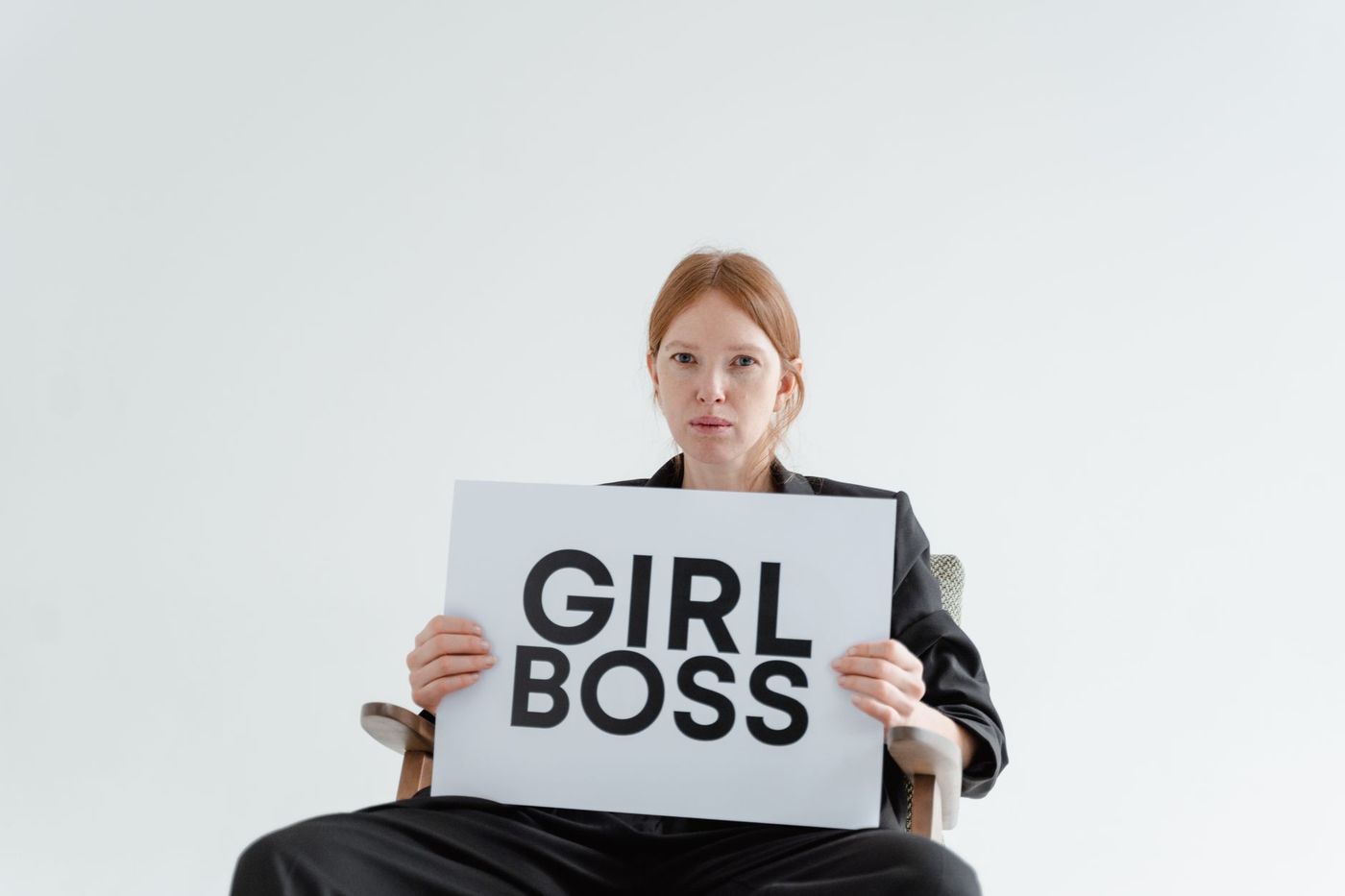
Women in corporate India in 2026 still face two linked penalties: they earn roughly 20 percent less than men in comparable roles, and they wait longer for the same promotions. The good news is that both gaps are now measurable, well documented, and increasingly fixable. This article breaks down the real numbers, the barriers nobody names in performance reviews, and the specific, India-tested moves that help you close the pay gap and the promotion gap in your own career, starting this quarter.
The Pay Gap Is Real, Specific, and Measurable in 2026
The gender pay gap in corporate India is not a vague grievance. It is a documented number that follows women across sectors and seniority levels. According to the Monster Salary Index 2024, women in India earned about 20 percent less than men for comparable work, and the gap widened with seniority rather than shrinking. That last detail matters: the higher you climb, the more the gap compounds, because raises and bonuses are calculated as a percentage of an already lower base.
The gap is not driven by qualifications. Research from the World Economic Forum's Global Gender Gap Report 2024 placed India 129th out of 146 countries on overall parity, with economic participation among the weakest sub-indices despite rising female education levels. In other words, women in corporate India are entering with strong credentials and still being paid less.
Where the Gap Hides
The pay gap hides in three places most women never audit. First, the joining offer, where women more often accept the first number rather than counter. Second, the annual increment cycle, where a 10 percent hike on a lower base keeps the gap permanent. Third, variable pay and stock, where opaque allocation lets bias slip in unchecked.
LinkedIn's 2026 Opportunity Index found that Indian women were significantly less likely than men to know their market worth before a negotiation, which directly weakens their starting position. Knowledge here is not optional, it is leverage.
The Compounding Cost
A 20 percent gap at age 28 is not a one-time loss. Compounded across increments, bonuses, and retirement contributions over a 25-year career, it can mean a difference of crores in lifetime earnings. This is why closing the gap early matters far more than negotiating hard once at the top.
Audit your last three salary letters this week and calculate your real market rate using two external offers or salary benchmarking tools before your next appraisal.
The Promotion Gap Stalls Careers Before the Pay Gap Even Starts
Women in corporate India do not just earn less, they advance slower, and the promotion gap often appears before the pay gap becomes visible. The most damaging point is the first rung into management, what McKinsey and LeanIn call the broken rung. Their Women in the Workplace research has consistently shown that for every group of men promoted to first-line manager, fewer women make the same jump, which shrinks the pool of women available for every senior role thereafter.
In India the effect is sharper. A 2024 Deloitte analysis noted that while women held a growing share of entry-level corporate roles, their representation dropped steeply at mid-management, the exact stage where pipelines to leadership are built.
Why the Mid-Level Cliff Exists
The mid-level cliff is not about ambition or ability. It coincides with the years when women are managing the heaviest unpaid load at home. The result is fewer women raising their hand for stretch assignments, relocations, and high-visibility projects, the very things promotion committees reward.
Research shows women are also more likely to be assigned what academics call office housework: organising events, taking notes, mentoring juniors. Valuable work, but rarely the work that gets you promoted.
The Visibility Deficit
Promotions in Indian corporates are decided in rooms women are often not in. Sponsorship, having a senior leader actively advocate for you when you are absent, predicts advancement more reliably than performance alone. A 2025 survey of Indian women managers found that fewer than one in three reported having an active sponsor, compared with a far higher share of their male peers.
The fix is deliberate. You cannot control bias in the room, but you can control whether someone influential in that room knows your name and your numbers.
Identify one senior leader two levels above you who can sponsor you, and create a reason to make your results visible to them within the next 30 days.
The Unspoken Barriers Indian Women Navigate Alone
The biggest barriers for women in corporate India rarely show up in HR policy documents, which is exactly why they persist. They live in cultural expectations, the second shift at home, and a quiet maternity penalty that no appraisal form acknowledges. Naming these barriers is the first step to managing them strategically rather than absorbing them silently.
The unpaid work burden is the structural foundation of the corporate gap. According to OECD and Indian time-use data, women in India spend several times more hours on unpaid domestic and care work than men, among the widest such gaps globally. Every hour spent on the second shift is an hour not spent on the networking dinner, the certification, or the late client call that advances a career.
The Maternity Penalty
The Maternity Benefit Act gives Indian women 26 weeks of paid leave, one of the most generous mandates in the world on paper. In practice it has produced an unintended cost: some employers became more hesitant to hire or promote women of childbearing age. A widely cited TeamLease estimate suggested the policy risked affecting lakhs of women's job prospects in the years after it passed, precisely because the cost fell entirely on employers.
The penalty shows up as slower promotions after return, exclusion from key projects during leave, and the assumption that a new mother is no longer ambitious.
The Confidence Tax
Women are statistically less likely to apply for roles unless they meet nearly all listed criteria, while men apply at far lower thresholds. In the Indian context, where self-promotion can be culturally coded as immodesty, this confidence tax is heavier. The result is qualified women self-selecting out of opportunities before any manager even sees them.
The antidote is data, not bravado. When you track your wins in numbers, you are not boasting, you are reporting facts.
Keep a running wins document with quantified results, and update it monthly so you never walk into a review or interview without evidence.
What Is Actually Working to Close the Gaps in 2026
The encouraging shift in 2026 is that closing the gaps for women in corporate India is no longer left entirely to individual grit. Structural interventions are showing measurable results, and the women who benefit most are those who actively seek these systems out rather than waiting for them.
Pay transparency is the single most effective lever. Globally, where salary bands are published, the gender pay gap narrows fastest because secrecy is what allows bias to compound. A growing number of Indian technology and consulting firms began publishing internal pay bands in 2024 and 2025, and employees in those firms report higher confidence in negotiation. The ET Edge Best Organisations for Women 2026 recognition has further pushed firms to make equity metrics public.
Returnship and Sponsorship Programmes
Structured returnship programmes have moved from rare to mainstream. Companies including Tata, Accenture, and several large banks now run formal re-entry tracks that protect seniority for women returning after a break, directly attacking the maternity penalty. NASSCOM has reported that the technology sector's deliberate focus on diversity hiring lifted women's representation in the IT workforce to around 36 percent, among the highest of any organised sector in India.
Sponsorship programmes, distinct from mentorship, are the second proven lever. Where mentors advise, sponsors advocate. Firms that formally pair high-potential women with senior sponsors see measurably better promotion rates for those women.
Flexible and Hybrid Work, Done Right
Hybrid work, when designed deliberately, helps close the gap by reducing the cost of the second shift. The caveat is the proximity bias risk: if leaders reward those physically present, remote women lose out. The organisations getting this right measure output, not attendance, and ensure hybrid does not quietly become a women-only track that limits visibility.
Choose your next employer partly on their published equity practices, returnship policy, and whether their flexible work is output-based, not just availability-based.
Your Personal Playbook to Close the Pay and Promotion Gap
Closing your own gap as a woman in corporate India comes down to a sequence of deliberate, repeatable moves, not a single heroic negotiation. The women who advance fastest treat their careers like a portfolio they actively manage, and the steps below are the ones that consistently move the needle.
Start with radical clarity on your number. A 2025 LinkedIn India report found that professionals who researched salary benchmarks before negotiating secured significantly higher offers than those who did not. Use at least two external data points, your own market offers, peer intelligence, or credible benchmarking tools, before any compensation conversation.
Negotiate Every Time, Not Just Once
Negotiate at three moments, not one: the offer, the annual review, and the moment you take on expanded scope. Frame requests around value delivered, not personal need. Anchor with the business impact you created, then state your number with a specific figure rather than a range, because the lower end of a range becomes the ceiling.
If the answer is no on salary, negotiate the levers that compound: a title that signals seniority, a stretch project that builds your case, or a written timeline for review.
Build Sponsorship Deliberately
Do not wait to be discovered. Map the three most influential people in your promotion path and engineer genuine value exchange with each: solve a problem they care about, bring them insight, deliver visibly on something they sponsor. Sponsorship is earned through proximity to results, and it is the strongest predictor of the next promotion.
Build Visibility Beyond Your Desk
Internal excellence is necessary but not sufficient. Speaking at industry events, writing about your domain, and being listed where decision-makers search for experts converts quiet competence into recognised authority. External visibility also creates competing offers, which remain the most powerful negotiation tool you will ever hold.
The women closing the gap in 2026 are not working harder than their peers. They are working visibly, negotiating consistently, and building advocates strategically.
Pick one move from each category, your number, your sponsor, your visibility, and commit to a single concrete action on each before the quarter ends.
The Bottom Line for Women in Corporate India
The gaps facing women in corporate India in 2026 are real, but they are no longer mysterious or immovable. The pay gap sits at roughly 20 percent and compounds with seniority. The promotion gap breaks the pipeline at the first rung into management and the mid-level cliff. The barriers are cultural and structural, from the second shift to the maternity penalty to the confidence tax. And the solutions, pay transparency, sponsorship, returnships, deliberate negotiation, and visibility, are documented and accessible.
What changes outcomes is treating these not as someone else's policy problem but as your personal strategy. The data is now on your side, the programmes exist, and the playbook is clear. The women who close the gap are the ones who stop waiting for fairness to arrive and start engineering their own advancement with intention.
Visibility is where it all converges, because the pay you negotiate, the sponsor you win, and the promotion you earn all depend on the right people knowing exactly what you are capable of.
This is precisely why Draupadi on the Dais exists. Our speaker directory puts credible professional women in front of the conferences, panels, boards, and media that decide who gets seen. List yourself today, claim your authority, and turn your expertise into the visibility that closes the gap. Join Draupadi on the Dais and take your place on the dais.