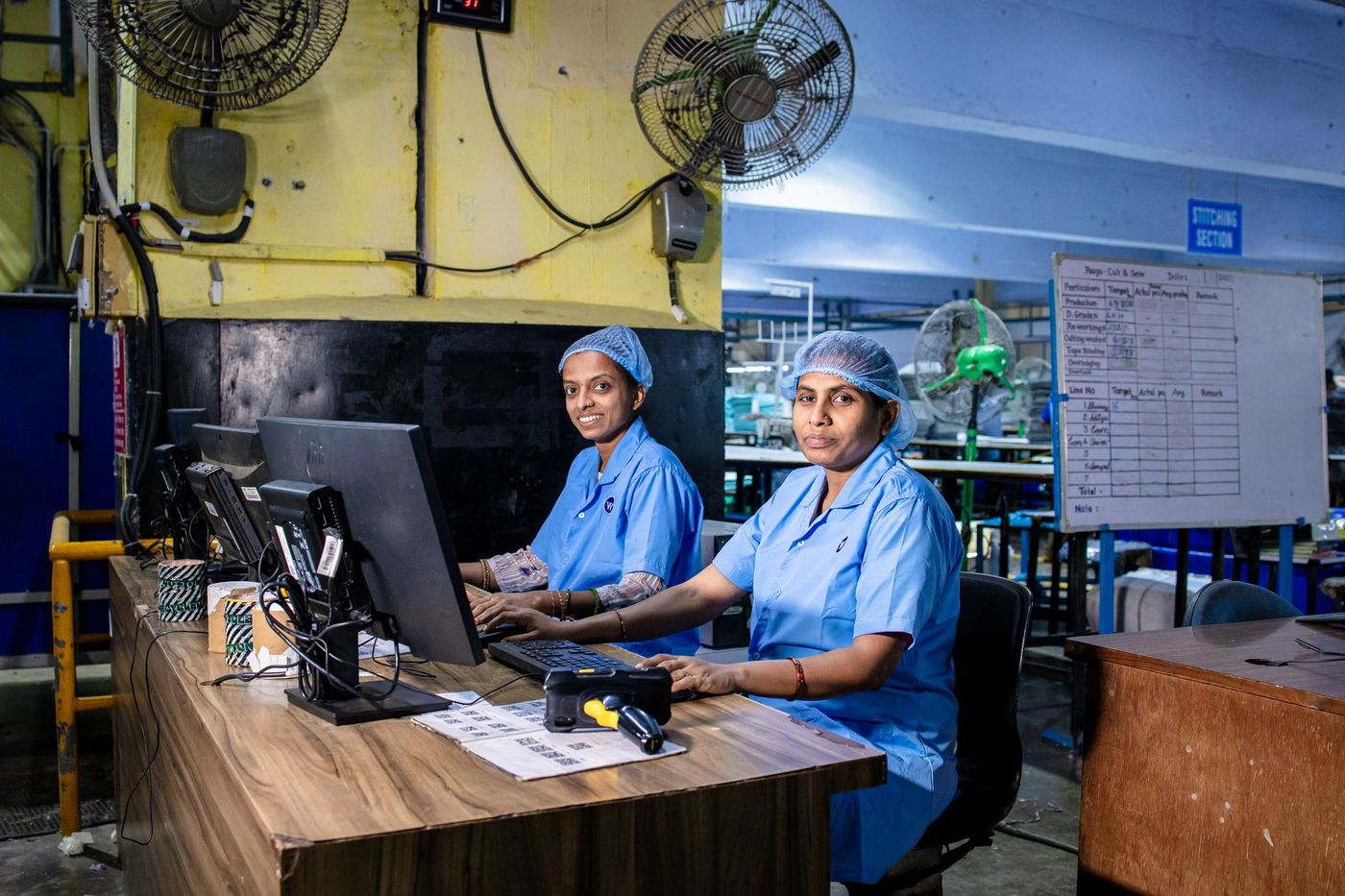
The best workplaces for women in India in 2026 are not the ones with the prettiest diversity brochures. They are the ones with women in profit-and-loss roles, transparent pay bands, real return-to-work pathways, and managers held accountable for promoting women, not just hiring them. If you want a workplace where you grow instead of stall, you need to read the signals beyond the glossy careers page. This guide shows you exactly what to look for, how to test it in an interview, and how to thrive once you are inside.
What Actually Makes a Workplace the Best for Women in 2026
The definition of a great workplace for women has shifted hard in the last three years. Free sanitary dispensers and a Women's Day event no longer count. The best workplaces for women in India today are measured on outcomes: how many women they promote, how much they pay them relative to men, and how many return after a career break and actually advance.
Research from the Great Place To Work India 2025 study found that organisations ranked in the top tier for women had a 34 percent representation of women in managerial roles, compared to a national corporate average closer to 20 percent. The gap is not about hiring. It is about retention and promotion, which is where most companies quietly fail.
The four pillars that separate real from performative
First, representation at the top. Look at the leadership page. If every senior leader is male and the only women are in HR or communications, that tells you where power sits. Second, pay transparency. According to a 2026 LinkedIn Opportunity Index data point, companies that publish pay bands internally reduced their gender pay gap by an average of 19 percent within two years. Third, flexibility that is structural, not granted as a favour. Fourth, accountability, meaning managers have diversity targets tied to their own appraisals.
Why the badge alone means nothing
A company can win a "best workplace for women" award and still have a 9 percent female leadership ratio. Awards often measure intent and policy, not lived outcomes. Treat a badge as a starting point for your own research, never as proof. Cross-check it against the actual numbers the company discloses in its annual report or business responsibility and sustainability report, which listed Indian companies are now mandated to file.
Before you accept any offer, find at least one woman who has been promoted at that company in the last 18 months and ask her how it happened.
The Real Numbers: Where Indian Workplaces Stand in 2026
The data tells a more honest story than any employer brand campaign. Understanding where the average company sits helps you recognise an exceptional one when you see it.
Women now make up roughly 28 percent of the formal corporate workforce in India in 2026, according to NASSCOM's workforce diversity tracking. That number rises in technology and financial services and falls sharply in manufacturing and core engineering. But the headline figure hides the leak: women enter the workforce at near parity in many entry-level corporate roles, then drop to single-digit percentages by the time you reach the C-suite.
The mid-career cliff is the real problem
The sharpest fall happens between five and ten years of experience, exactly when caregiving demands peak and when companies decide who gets the stretch assignments that lead to leadership. A 2025 study by Deloitte India found that women in this band were 1.7 times more likely than men to report being passed over for high-visibility projects after returning from maternity leave. The best workplaces for women have specifically engineered solutions for this cliff, including return-to-work sponsorship and bias-checked promotion panels.
What the leading companies are doing differently
Top-ranked employers in 2026 share a few measurable habits. They run pay equity audits at least annually. They set and publish diversity targets at every leadership layer, not just at the board. And they offer extended, well-structured returnship programmes that lead to permanent roles rather than glorified internships. One unique signal worth quoting: the best workplaces for women in India report a maternity return rate above 90 percent, against a corporate average closer to 70 percent. That single metric predicts long-term equity better than almost any policy statement.
Ask any prospective employer for their maternity return rate and their female promotion rate; a company that tracks both and shares them is already in a different league.
How to Evaluate an Employer Before You Say Yes
Most women evaluate a job offer on salary and role. The best workplaces for women reveal themselves only when you dig into how the place actually runs day to day. You have more power to investigate than you think, especially once you reach the interview stage.
Start before the interview. Read the company's latest business responsibility and sustainability report, which is publicly available for listed firms and discloses gender ratios, attrition split by gender, and complaints filed under the POSH Act. A company with rising female attrition and zero POSH disclosures is waving a red flag, even if its careers page glows.
Questions that expose the truth in an interview
Use the interview to ask sharp, specific questions. Avoid "Do you support work-life balance?" because everyone says yes. Instead ask: "How many women have been promoted into senior roles in this team in the last two years?" and "How are flexible work requests decided, and by whom?" The quality of the answer, whether it is specific or vague, tells you everything. A 2026 survey by JobsForHer found that 61 percent of women who asked direct equity questions in interviews said the responses changed their decision to accept or decline.
Signals you can read from the inside out
Notice who interviews you. If a company genuinely values women in leadership, you will meet at least one senior woman during the process. Notice the parental leave policy for all genders, because companies that offer real paternity leave normalise caregiving and reduce the motherhood penalty. And notice whether flexibility is written into policy or described as something managers "are generally cool about," because informal flexibility evaporates the moment you have a difficult manager.
Treat your interview as a two-way audit: the company is assessing you, and you should be assessing whether its equity claims survive three pointed questions.
Industries and Companies Leading the Change
Not all sectors are equal, and knowing where the best workplaces for women cluster helps you aim your job search efficiently. The terrain in 2026 favours women more in some industries than others, and that gap is widening.
Technology, global capability centres, financial services, consulting, and consumer goods consistently produce the strongest workplaces for women in India. According to NASSCOM's 2026 data, global capability centres in India now employ over 1.9 million people, with women representation in these centres reaching 35 percent, several points above the broader corporate average. These centres compete globally for talent and have adopted equity practices faster than domestic-only firms.
Where the opportunities are strongest
Global capability centres are a quiet powerhouse for women's careers in 2026. They offer structured career paths, global exposure, and parent-company diversity standards that filter down to Indian operations. Financial services and fintech have also moved fast, partly because regulators have pushed for diversity at the board and partly because the sector competes hard for analytical talent. Consulting firms now run dedicated re-entry programmes for women returning after breaks, and many convert returners into partners-track roles.
Where progress remains slow
Manufacturing, core engineering, logistics, and field-heavy roles still lag, with female representation often below 15 percent. This is not a reason to avoid these sectors, because the women who break in often find rapid advancement precisely because they stand out, but it does mean you should scrutinise the support structures even more carefully. A unique insight worth noting: companies in lagging sectors that have recently committed to diversity often offer the steepest growth curves for ambitious women, because they are racing to build a pipeline from a near-empty base.
Aim your search at sectors and company types where the structural conditions already favour women, then negotiate from a position of scarcity-driven value.
How to Thrive Once You Are In
Landing a job at one of the best workplaces for women is only half the work. Thriving requires you to use the structures available, build the right relationships, and make your impact visible. Even a great employer will not advocate for you automatically.
The single biggest predictor of advancement, across every study, is sponsorship, not mentorship. A mentor advises you; a sponsor spends their political capital to put your name in rooms you are not in. A 2025 Deloitte India finding showed that women with an active senior sponsor were 2.3 times more likely to be promoted within two years than equally qualified peers without one. The best workplaces formalise sponsorship, but you still have to position yourself to be sponsored.
Make your work visible without performing
Indian workplace culture often rewards visible busyness over real outcomes, and women frequently take on "office housework" like organising events and taking notes, which builds goodwill but not promotions. Redirect that energy. Volunteer for revenue-linked or strategy projects. Quantify your contributions in every review. State your ambitions plainly to your manager, because research consistently shows women are less likely to be considered for roles they have not explicitly expressed interest in.
Build your network deliberately
Join internal women's networks, but do not stop there, because internal networks alone can become echo chambers. Build relationships across functions and outside your company. Industry visibility, through speaking at conferences, publishing your perspective, and being listed on credible professional platforms, compounds over time and makes you the name that comes up when leadership roles open. Visibility is no longer optional; in 2026 it is a core career asset that travels with you across employers.
Identify one potential sponsor this quarter, then make sure they have seen concrete evidence of your impact within 90 days.
Building a Career Strategy That Outlasts Any Single Employer
The best workplaces for women in India can change leadership, get acquired, or shift priorities. Your long-term security comes from building a career strategy and reputation that belong to you, not to any one company. This is the mindset shift that separates women who plateau from those who keep rising.
Think of your career as a portfolio, not a ladder. Your skills, your network, your public reputation, and your financial cushion are all assets you own. A 2026 LinkedIn Opportunity Index insight found that professionals with a strong external profile received 40 percent more inbound opportunities than those visible only within their own company. Translation: the more known you are outside your walls, the less dependent you are on any single employer's goodwill.
Invest in skills that travel
Prioritise capabilities that hold value across employers and sectors: data fluency, people leadership, financial literacy, and the ability to communicate persuasively. These are the skills that move you into profit-and-loss roles, which remain the surest route to senior leadership and the boardroom. Avoid getting permanently siloed in support functions, however comfortable they feel.
Protect your financial and professional independence
Negotiate every offer and every raise, because the compounding effect of early salary gaps follows women for decades. Keep a documented record of your achievements so you are never scrambling at appraisal time. And build a public professional identity through speaking, writing, and credible directories, so that opportunity finds you even when you are not looking. The women who thrive longest treat their reputation as infrastructure, not vanity.
Build your career so that even if you left your current employer tomorrow, three new doors would open within a month.
The best workplaces for women in India in 2026 exist, and they are more measurable and more transparent than ever before. But finding one, joining it, and thriving inside it all depend on you knowing what to look for and how to position yourself. The data favours women more than it ever has. Your job is to read it clearly and act on it deliberately.
If you are ready to build the kind of public profile that makes opportunity come to you, this is where Draupadi on the Dais comes in. Our speaker directory connects credible professional women with stages, panels, and platforms across India. Listing yourself is one of the highest-leverage moves you can make for your visibility in 2026. Claim your profile and let the right rooms find you.